



Fear is stupid. So are regrets.
Behind the Words: Marilyn’s Private Reflection
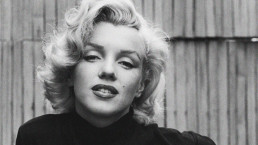
To the world, Marilyn Monroe was the ultimate symbol of glamour, captured in flashes of light and silver screens. But behind the iconic smile was a deeply introspective woman who constantly battled anxiety, stage fright, and the crushing expectations of Hollywood. This sharp, unapologetic statement—“Fear is stupid. So are regrets.”—was not spoken in a glamorous interview; it was uncovered in her private notebooks and letters, later published in the collection Fragments: Poems, Intimate Notes, Letters.
Written during a time when she was fighting for creative control over her career and standing up to major film studios, these lines represent Marilyn’s internal armor. It was her raw, unfiltered self-reminder to stop letting anxiety paralyze her present and to refuse to let past mistakes dictate her future. For Marilyn, this wasn’t just a catchy phrase—it was a survival mechanism in an industry designed to make her feel small.
The Anatomy of Fear and Regret: A Deeper Look
To truly understand why Marilyn labeled fear and regret as “stupid,” we can look at how modern psychology and philosophy view these two powerful emotions. Both forces suffer from the same fundamental flaw: they steal our focus from the only moment we actually control—the present.
The Psychological Trap of Fear
Psychologically, fear is a survival instinct, but when it turns into chronic anxiety about the unknown, it becomes counterproductive.
The Illusion of Control: In his book Stumbling on Happiness, Harvard psychologist Daniel Gilbert explains how human beings are prone to “mispredicting” the future. We overinflate the negativity of potential outcomes, meaning we often experience intense fear over scenarios that never even happen.
The Stoic Approach: This perfectly mirrors the ancient philosophy of Stoicism. The Roman philosopher Seneca famously wrote: “We suffer more often in imagination than in reality.” When Marilyn writes that fear is stupid, she aligns with this timeless truth: fearing the future is a waste of mental energy because it fights against ghosts of our own making.
The Heavy Burden of Regret
If fear is an emotional error directed at the future, regret is its twin, directed at the past.
The Science of Regret: Leading author and behavioral scientist Daniel H. Pink, who conducted the World Regret Survey for his book The Power of Regret, notes that while regret can occasionally teach us lessons, staying stuck in it is psychologically damaging. He categorizes “boldness regrets” (wishing we had taken a chance) as the most common and painful type of regret.
The Existential View: Existentialist thinkers like Søren Kierkegaard argued that anxiety and bad choices are inevitable parts of human freedom. However, dwelling on regret paralyzes our ability to act today. Marilyn’s dismissal of regret is an intuitive nod to this: you cannot rewrite the script of yesterday, so mourning it only wastes the energy you need to build tomorrow.
“Fear is a reaction. Courage is a decision.”
By wearing this quote, you aren’t just channeling Marilyn’s iconic style—you are adopting her mindset. You are choosing to step out of the shadows of what might go wrong (fear) and leaving behind the weight of what already happened (regret).
Who are you when no one is watching?
Stavek “Who are you when no one is watching?” je v tej vprašalni obliki predvsem moderna parafraza stare ideje o značaju in integriteti — zato ga je težko pošteno pripisati eni sami osebi. Njegova vrednost je ravno v tem, da deluje kot notranje ogledalo: ne sprašuje, kako se predstavimo svetu, temveč kdo smo takrat, ko ni občinstva.
Da bi razumeli izvor in pomen te misli, je koristno pogledati njene najbolj razširjene različice, ki so nastajale v različnih družbenih kontekstih: v etiki vzgoje in vodenja, v religioznem moralnem diskurzu ter v širši moralni filozofiji značaja.
“The true test of a man’s character is what he does when no one is watching.”
“The true test of a man’s character is what he does when no one is watching.”
V sodobni popularni rabi se misel pogosto navezuje na John Wooden, legendarnega trenerja UCLA, ki mu je pogosto pripisana izjavna različica: “The true test of a man’s character is what he does when no one is watching.” Pomembno je, da se ta stavek praviloma pojavlja v okviru njegove širše filozofije discipline, osebne odgovornosti in dolgoročnega oblikovanja značaja — torej kot vzgojni standard, ne kot enkratna moralna zapoved. Viri, ki citat povezujejo z njegovo knjigo Wooden: A Lifetime of Observations and Reflections On and Off the Court, ga umeščajo med njegove življenjske maksime o tem, kaj ostane od človeka, ko odpade zunanja kontrola.
“Character is what you are in the dark.”
“Character is what you are in the dark.”
Druga, starejša različica uporablja drugačno metaforo, a cilja na isto psihološko jedro: “Character is what you are in the dark.” Ta izrek se pogosto pripisuje Dwight Lyman Moody in se pojavlja v religioznem moralnem kontekstu, kjer “tema” ni nujno grožnja, temveč prostor notranje resnice: kdo sem, ko me ne vodi ne sram pred drugimi ne želja po potrditvi, ampak samo vest. Pri tej različici je v strokovnem besedilu korektno poudariti, da je pripisovanje v veliki meri posredovano prek biografskega vira (navedbe njegovega sina), hkrati pa obstajajo sledovi kroženja izreka tudi v tisku pred tem.
“The measure of a man’s real character is what he would do if he knew he would never be found out.”
“The measure of a man’s real character is what he would do if he knew he would never be found out.”
Tretja znana varianta idejo še dodatno “zaostri” z eksperimentom nekaznovanosti: “The measure of a man’s real character is what he would do if he knew he would never be found out.” Pogosto se jo pripisuje Thomas Babington Macaulay, vendar je tukaj treba ostati previdna: v citatnih zbirkah se izrek pojavlja kot “attributed”, brez jasno navedenega primarnega vira, medtem ko Wikiquote izrecno opozarja, da gre za problematično potrjen pripis in da so najzgodnejše sledi pogosto anonimne. Ta negotovost ni “slabost” prispevka, ampak del poštenega raziskovalnega pristopa: bralki pove, kaj vemo, česa ne moremo trditi z gotovostjo in zakaj.
Razkorak med javnim jazom in zasebnim jazom
Če misel prestavimo iz genealogije v pomen, vidimo, da vse tri različice merijo isto napetost: razkorak med javnim jazom in zasebnim jazom. Sociolog Erving Goffman je v The Presentation of Self in Everyday Life opisal družbeno življenje kot neke vrste uprizarjanje, v katerem obstaja “front stage” (kjer upravljamo vtise) in “backstage” (kjer se vloga zrahlja, kontradikcije postanejo vidnejše, maska ni več nujna). V tem okviru vprašanje “Who are you when no one is watching?” neposredno meri na “backstage”: ne na to, kaj znamo pokazati, ampak kaj ostane, ko ni treba ničesar dokazovati.
Filozofska tradicija pa temu doda še eno pomembno dimenzijo: značaj ni (samo) odločitev v trenutku, temveč rezultat ponavljanja. V aristotelovski etiki je vrlina značaja povezana z navado — človek postaja to, kar redno prakticira. Aristotle s tem premakne pozornost od velikih moralnih gest k majhnim, nevidnim izbiram, ki se sčasoma strdijo v stabilen vzorec. Zato je “ko nihče ne gleda” tako močan kriterij: ravno takrat se najbolj jasno vidi, katere navade so res ponotranjene in katere obstajajo predvsem kot družbena predstava.
V zaključku se zato vprašanje ne bere kot sodba, temveč kot uporaben osebni instrument. Lahko deluje kot kratek mentalni “checkpoint” pred drobno odločitvijo, kjer je skušnjava največja ravno zato, ker ni posledic ali prič. Lahko pride prav po dejanju, ko se zalotimo v racionalizaciji in želimo preveriti, ali smo ravnale skladno s svojim notranjim standardom. In lahko je tudi provokacija v najboljšem smislu: ne da bi se kaznovale, temveč da bi jasno videle razkorak med tem, kdo mislimo, da smo, in tem, kako se v resnici vedemo. V tem je raziskovalna vrednost misli: pokaže, da “integriteta” ni abstraktna vrlina, ampak nenehna praksa usklajevanja med identiteto, navado in dejanjem.
Literatura in viri
Prispevek o pripisu izreka John Wooden in navedbi knjige Wooden: A Lifetime of Observations and Reflections On and Off the Court.
Dokumentirano pripisovanje izreka D. L. Moody ter navedbe zgodnejših pojavitev v tisku.
Pripis izreka Thomas Babington Macaulay kot “attributed” (brez primarnega vira) in opozorilo o problematični potrditvi.
Izseki/gradiva, ki povzemajo ali reproducirajo Goffmanov “front stage/backstage” okvir iz The Presentation of Self in Everyday Life.
Aristotelov okvir vrline značaja kot rezultata navade (učni esej z odlomki iz Aristotelove etike).